The Beautiful Ache of Becoming
We all want to grow.
Culturally, psychologically, spiritually—we celebrate it. Growth is progress. It’s the upward curve of the self-help chart, the New Year’s resolution, the sanctification sermon. We applaud the before-and-after story, the weight loss, the renewed purpose, the emotional maturity, the spiritual awakening. And rightly so. Growth is good.
It is what every therapist, pastor, and philosopher since Genesis has pointed us toward—the divine invitation to become more fully human.
Scripture gives this drive its truest form. Paul describes it not as self-improvement but transformation fueled by Divine Grace (Eph. 4:22):
Ephesians 4:22-24
Put off your old self ... and put on the new self, created after the likeness of God in true righteousness and holiness.
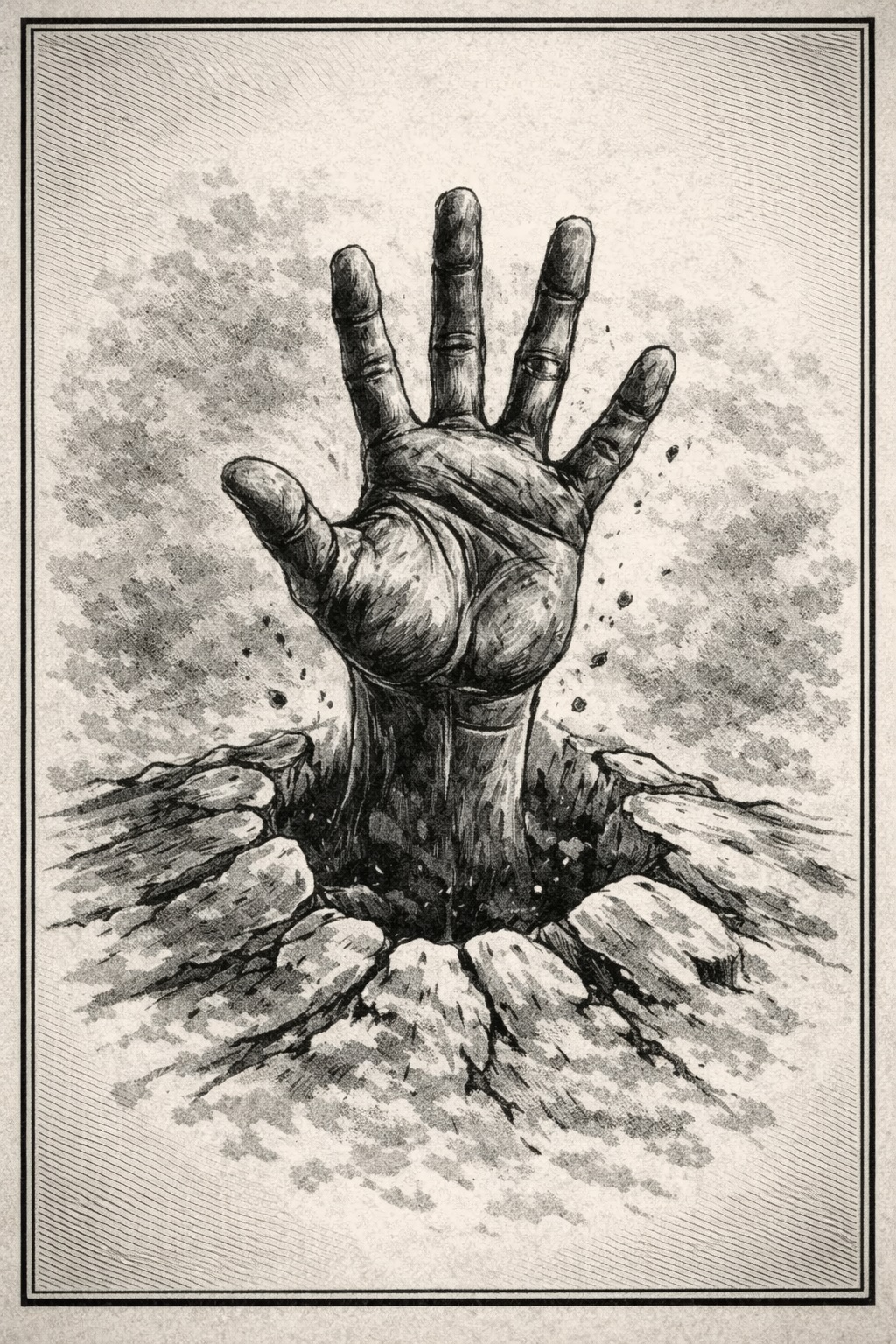
This isn’t just behavior modification; it’s resurrection work—the old man dying with
Christ on his cross so the new man can live in Him and on His Way.
(see blog post Living
The Way)
But here’s the hidden truth: every Grace of growth comes with funerals that hurt and need to be grieved.
When Growth Breaks Your Heart
After my first wife died, I didn’t just lose a person—I lost a whole way of
being.
Faced with the question “What now?”
I underwent what can only be described as a
total rebuild.
Physically, I got healthy.
Intellectually, I stretched.
Emotionally I sobered.
Relationally I expanded.
And spiritually I went "further up and further in". God resurrected me.
He rebuilt my life. My habits, my thinking, my faith, my
friendships.
Even my hair decided to join the transformation; it somehow became curly!
By every cultural measure, I was “thriving.”
But inside, I began to experience something unexpected—a deep, unexpected additional grief in the middle of my growth.
Lionel Richie said in a recent New Yorker podcast: “I had to learn to be kind to growth.”
It was that line that finally named what I was feeling: there are losses with growth that cause unique pain, and can threaten your new man progress.
Growth, I learned, is a kind of funeral.
The Three Griefs of Growth
1. The Grief of Losing the Safe and Predictable
The “old man” may have been flawed, but he was familiar.
His routines were
predictable, his patterns known.
Growth shatters that safety net.
When you grow—emotionally, spiritually, or otherwise—the world suddenly gets bigger,
more unpredictable, and more demanding.
You see things you can’t unsee.
You
care
about things you never cared about before.
You can’t go back to ignorance or
smallness.
New horizons bring new awareness of the good things ahead, but also
the
old familiar things that need to be left behind.
And there’s grief in that—because predictability dies when growth begins.
2. The Grief of Losing What You Loved
In my work with formerly incarcerated men and women, I saw this grief every day.
They longed for beautiful new beginnings, but leaving behind their old world also
meant letting go of the adrenaline, the camaraderie, even the “fun” that came with
destruction.
One man said, “The hardest part of quitting the street life is the boredom.”
There it is again—grief. The loss of the thrill, the identity, the sinful comfort of the old man.
Paul captures this in Romans 7
Romans 7:15
For I do not understand my own actions. For I do not do what I want, but I do the very thing I hate.
The old man still whispers from the grave, seducing us with nostalgia for our former
chains.
We miss our sin even when we know it was the way to death and not life.
3. The Grief of Outgrowing Relationships
Growth also costs you people.
Some won’t walk with you because your transformation reminds them of their
stagnation.
Some will judge your change because it doesn’t fit their version of
how
sanctification should look—whether cultural, therapeutic, or religious.
And some
will unconsciously, but truly try to hold you back to the old man they liked and
found comfortable.
When I began changing after my wife’s death, even some pastor and counselor friends
grew uncomfortable and insisted that I was doing more poorly than I was or that my
growth was happening too quickly for their therapeutic rules and timetables.
My
joy seemed too quick, my healing too bold.
Unwittingly, they judged the speed and power of Grace and I have had to grieve that judgment over and over again.
So I have had to make peace with this: growth can make you misunderstood.
Sometimes the price of resurrection is losing those who preferred you in the tomb.
Learning Not to Apologize for Grace
Eventually, I had to stop apologizing for being alive.
And I had to begin to
refuse to apologize for God's grace in order to make others more comfortable.
Lionel
Richie’s words return: “Be kind to your growth.”
I realized that I needed to befriend growth – be kind to it – even with the loss it
brings.
To honor what’s dying and celebrate what’s being born, even when others
don’t understand it.
Growth requires courage—to grieve what’s gone without getting stuck in the graveyard.
Walking the Way Forward
If you’re growing, don’t rush past the grief.
Name it.
Honor it.
Let it ache.
Because every transformation includes
hidden funerals—the loss of the old man, the death of old loves, the distance from
old circles.
But keep walking forward in Grace!
Because while the old man is loud, the new man is stronger. Christ’s resurrection power isn’t metaphor—it’s muscle.
This is the very work I walk my clients through in The Way Soul Care: helping them grieve what’s dying while stepping boldly into what’s being made new. Transformation isn’t about perfection; it’s about participation—joining Christ in His pattern of death and resurrection.
And the promise?
The new man is lighter.
Freer.
Kinder.
Unburdened.
He doesn’t live to impress or to survive—but to love.
So grieve what’s gone.
Then rise, unashamed, into who you’re becoming.
Because every resurrection starts with a funeral—but it never ends there.