2 Corinthians 4:8–9
We are hard pressed on every side, but not crushed; perplexed, but not in despair; persecuted, but not abandoned; struck down, but not destroyed
“Everyone has a plan until they get punched in the mouth.”
—Mike Tyson-
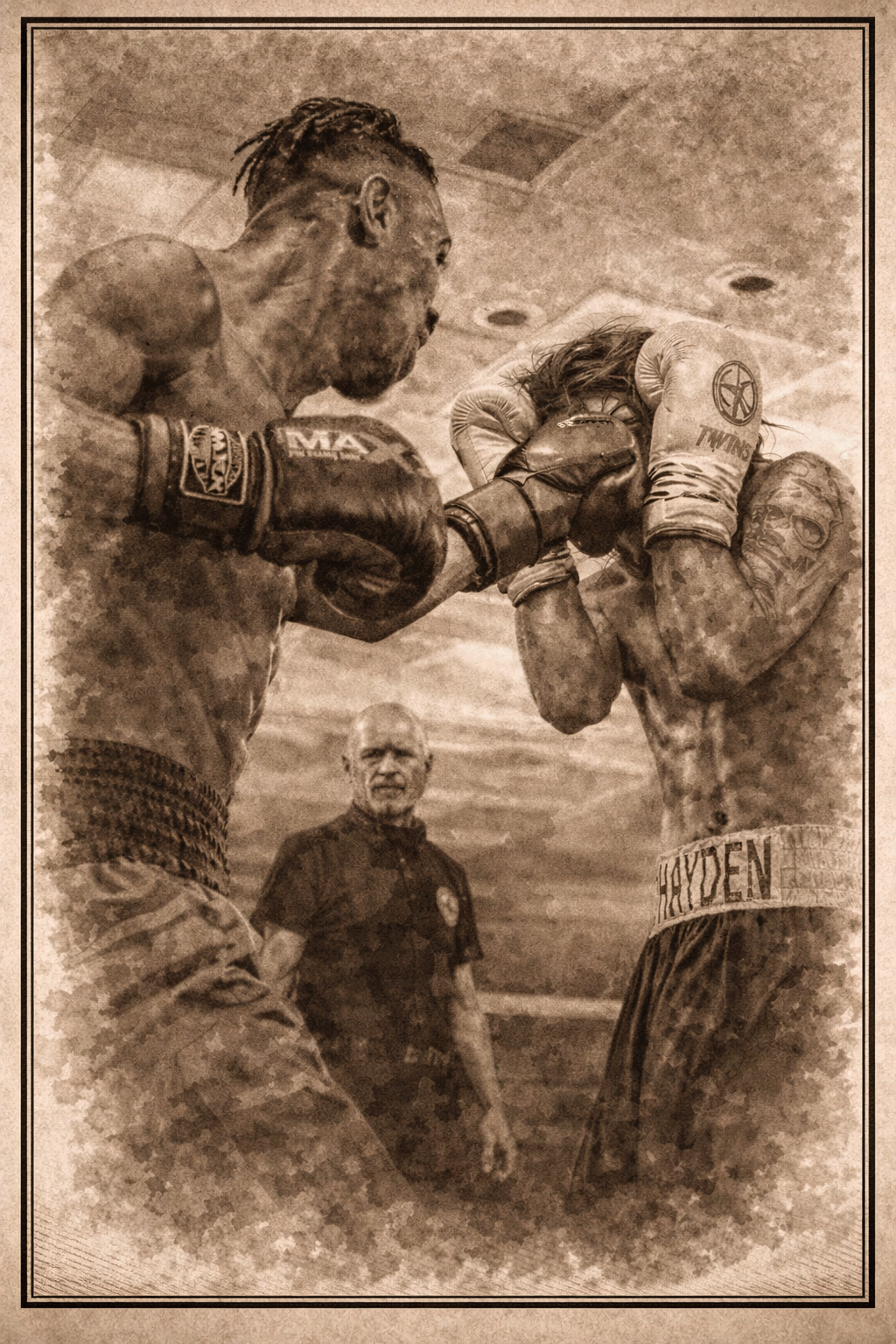
When I took my ordination vows, I thought I had a plan. I was ready to “fight the good fight,” to step into the ring of pastoral ministry with zeal and confidence. What I didn’t realize was just how many punches would come my way.
Some were fast and obvious—betrayal, criticism, funerals that gutted me. Others were slower, like body shots that don’t knock you down right away but leave you wincing and worn. Over two decades, the blows added up. And one day I had to admit: this fight was doing something inside me that looked a lot like trauma.
Not the trauma of a single knockout punch, but the kind that builds round after round until your system is rattled. Mental health professionals call it Complex PTSD (CPTSD). And pastors, like first responders, nurses, and social workers, are especially vulnerable.
The Symptoms in the Ring
CPTSD doesn’t always ring a bell when it arrives. It shows up in subtle, grinding ways:
- Avoidance — ducking people or places that once needed your presence.
- Hypervigilance — always braced for the next punch.
- Shame & worthlessness — convinced you’re never enough, no matter how many sermons or visits you make.
- Relational disconnection — guarding yourself, fearing betrayal even from teammates in your own corner.
- Compassion fatigue — your empathy tank runs dry.
- Destructive coping — numbing yourself between rounds with alcohol, porn, food, or endless work.
- Performance/exhaustion cycle — throwing wild punches one moment, collapsing against the ropes the next.
If you recognize these, you may not just be tired—you may be traumatized.
Why We Miss the Blows
You’d think after enough black eyes we’d recognize what’s happening. But most pastors don’t. Why?
- Theological pressure — We confuse “take up your cross” with “ignore your wounds.” Self-sacrifice can become a sneaky idol with a stiff uppercut.
- Leadership dysfunction — Vulnerability is cheered from the pulpit but punished in the elder room. “Leading with a limp” sounds noble—until you try it.
- Role confusion — Pastors are “set apart,” but not superhuman. Ordinary brokenness feels off-limits, so we tape up and fake strength.
- Financial pressure — Many would step out of the ring if they could afford to. But with families to feed, they keep climbing back through the ropes, soul on the line.
- Stigma around mental health — Admitting trauma feels like throwing in the towel, so we spiritualize pain instead of seeking help.
So we keep swinging—round after round—bleeding in silence.
When Pain Trains You
And yet, here’s the strange grace: sometimes the very blows that bruise us are the ones that shape us.
“Men will never become great in divinity until they become great in suffering… Those who have been in the chamber of affliction know how to comfort those who are there.”
- Charles Spurgeon -
Suffering can tenderize the soul. It can make you more empathetic, more credible, more Christlike in the valleys where your people walk. It can teach you to lean on the One who stepped into the ring of our broken world and took the knockout punch of sin and death.
The Corner Work of Healing
The Gospel never promised a fight without bruises. But it does promise this: Jesus in your corner, every round.
Healing begins when we:
- Name it honestly — admit the damage done.
- Invite others into the corner — counselors, coaches, trusted friends.
- Re-learn rhythms — prayer, sabbath, rest, laughter.
- Rediscover Jesus Himself — not just as a strategy, but as the Shepherd who takes our blows and never leaves the ring.
CPTSD doesn’t have to be the end of your ministry. In Christ, it can become the very place where His strength shines brightest. There is healing. There is hope. And there is a lighter yoke for your weary soul.